It’s a common fallacy that, in order to taste great Argentine wines, one must visit Mendoza, or Salta, or any of the other wine-producing regions across this vast country. While it is certainly worthwhile and rewarding to visit the region where the wines you are drinking were made, the truth in Argentina is rather simpler, as I found on a recent extended visit to Buenos Aires: You can find almost every bottle of wine made anywhere in the country in its capital city.
Buenos Aires – one of South America’s most vibrant and forward-looking metropolises – is a city where oenophiles and foodies alike will find themselves instantly at home. The food and wine scene in the capital is exciting, diverse and ever-evolving. Despite recurring economic woes, new restaurants of all kinds keep opening at a dizzying pace, while more traditional older eateries such as many famous parillas (steakhouses) are reinventing themselves and Argentine staples such as the asado (meat barbecue). Wine bars, shops and clubs are seemingly everywhere. And porteños (Buenos Aires natives) are typically warm and hospitable, and more than happy to share their vinous knowledge with you.
If you plan to visit Buenos Aires and want to experience its wines and cuisine, permit me to set the scene. Firstly, let me state the obvious: Argentina is making its best wines ever. There are more high-quality wines, from more wineries, made in more regions, than ever before. New bodegas keep opening, often in hitherto undeveloped wine regions.
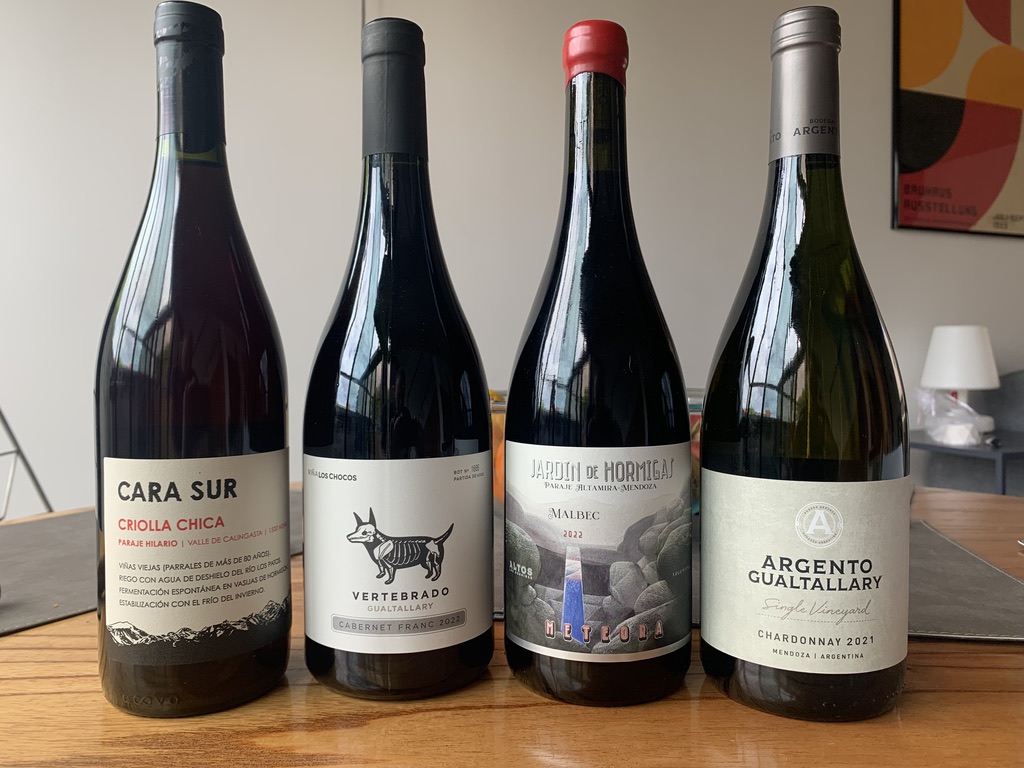
Secondly, the Argentine wine spectrum is more diverse than many people imagine. If you think Argentine wine equals malbec, think again. While there are numerous malbecs out there, many are now being made in a fresher, lower alcohol, unoaked style. But there are also great wines from many other varieties. For example, how about albariño from Atlantic coastal vineyards? Or pinot noir from Patagonia? Or criolla chica from provinces such as Cordoba, La Rioja and San Juan? Or old-vine semillon and chenin blanc from Mendoza? Wine is now being produced from Jujuy in the far north of the country (at 23º South latitude) to Santa Cruz in the far south (46º South), and almost everywhere in between.
Like elsewhere, wine consumption continues to drop in Argentina. This is partly a response to the country’s recurrent economic crises, but also reflects changes in consumer habits, especially among younger drinkers. Cheap bulk wine production is in decline. At the same time, the cost of Argentine wine has increased significantly, since most input costs are in US dollars.
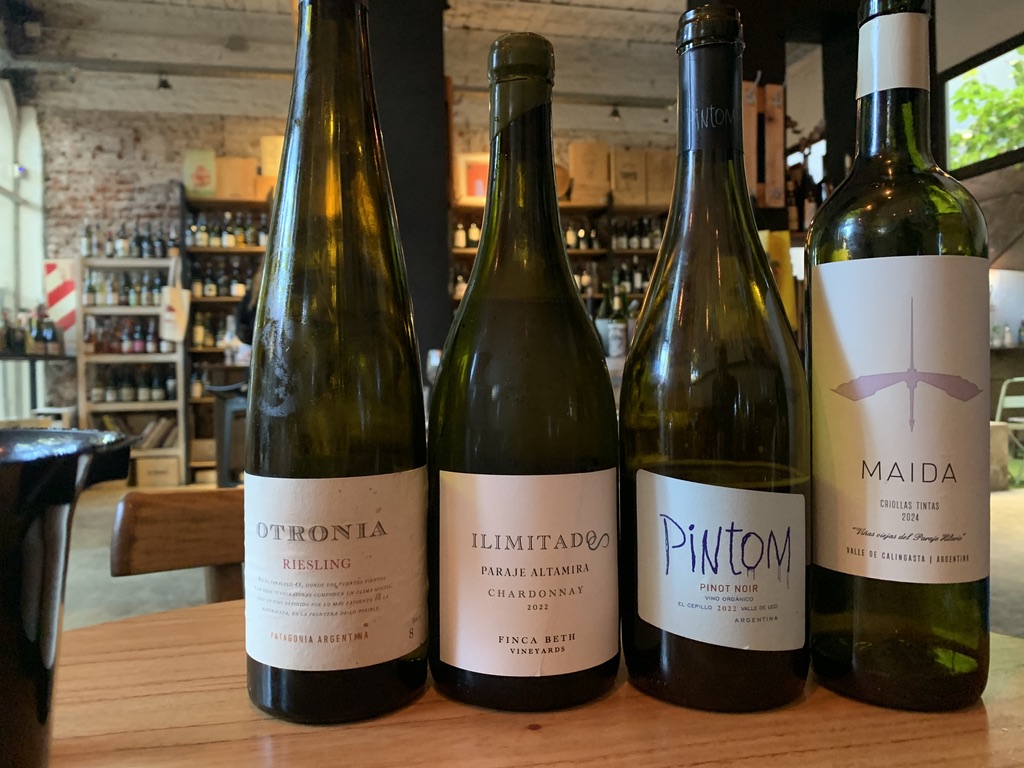
There has been a notable increase in the quality of Argentina’s white wines. It is now making world-class whites, among them top chardonnays, semillons and chenin blancs, as well as ever-more elegant blends.
Here are some of my favourite Buenos Aires wine venues. I have given the street name and number, without the prefix Calle (Street), as it’s done in Buenos Aires, followed by the barrio (neighbourhood).
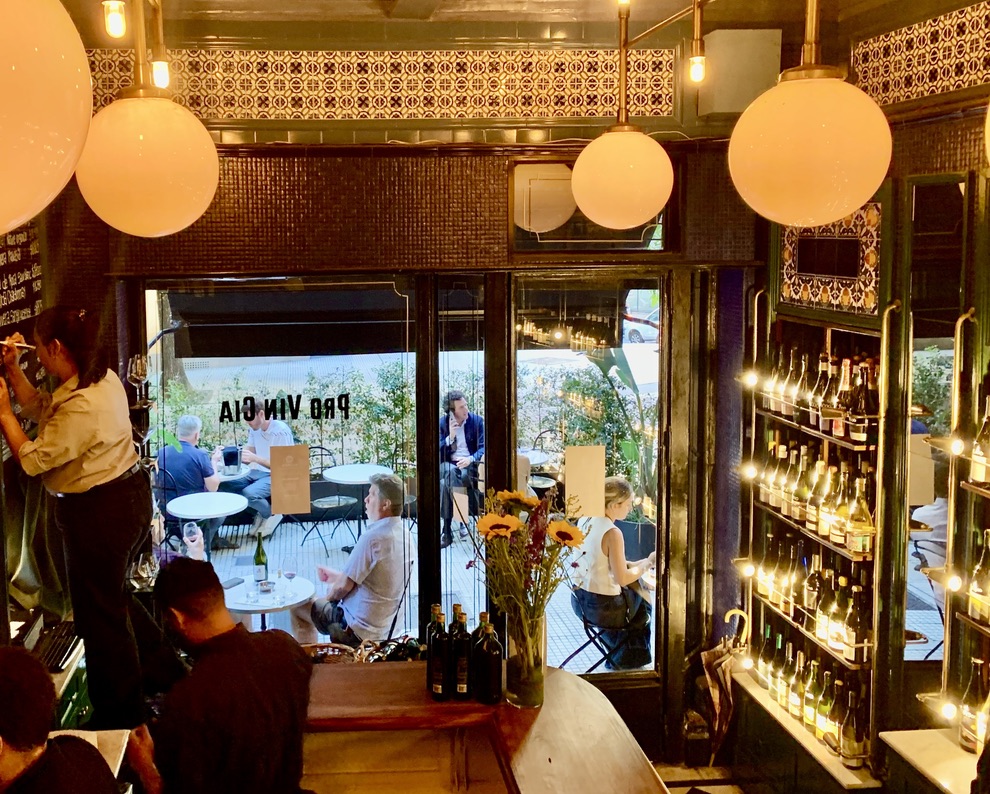
Pro Vin Cia (Arroyo 826, Retiro)
I stopped into this bijou wine bar on one of the prettiest little streets in Buenos Aires for a late afternoon sip or two. I highly recommend pulling up a stool at the tiny bar inside and asking the friendly servers to point you towards a glass of something interesting. Order a bowl of nuts or olives. Admire the interior design. One can easily imagine that you’re in Paris or Madrid. Heaven.
Pain et Vin (Gorriti 5132, Palermo Soho)
This stalwart wine bar is the brainchild of porteña sommelier Eleonora and her Israeli chef husband Ohad. She deftly handles the wines, while he mans the stoves. A welcoming refuge for wine lovers since 2013, Pain et Vin is located on the edge of Palermo Soho, epicentre of chic boutiques, restaurants, bars and galleries. The place attracts locals and tourists alike, offering wine flights, wine and food pairings, and bottles to go, along with expert wine advice.
Naranjo Bar (Ángel Justiniano Carranza 1059, Chacarita)
The hip Naranjo wine bar is located in what locals call ‘Chacagiales’, a compound nickname for the two neighbouring barrios of Chacarita and Colegiales, which is rapidly emerging as a trendy new area for food and wine. Naranjo offers a diverse range of wines with a focus on natural, on-trend, off-piste labels. This is where off-duty porteño sommeliers come to drink. A cool spot to hang out with a glass of wine on the sidewalk terrace.
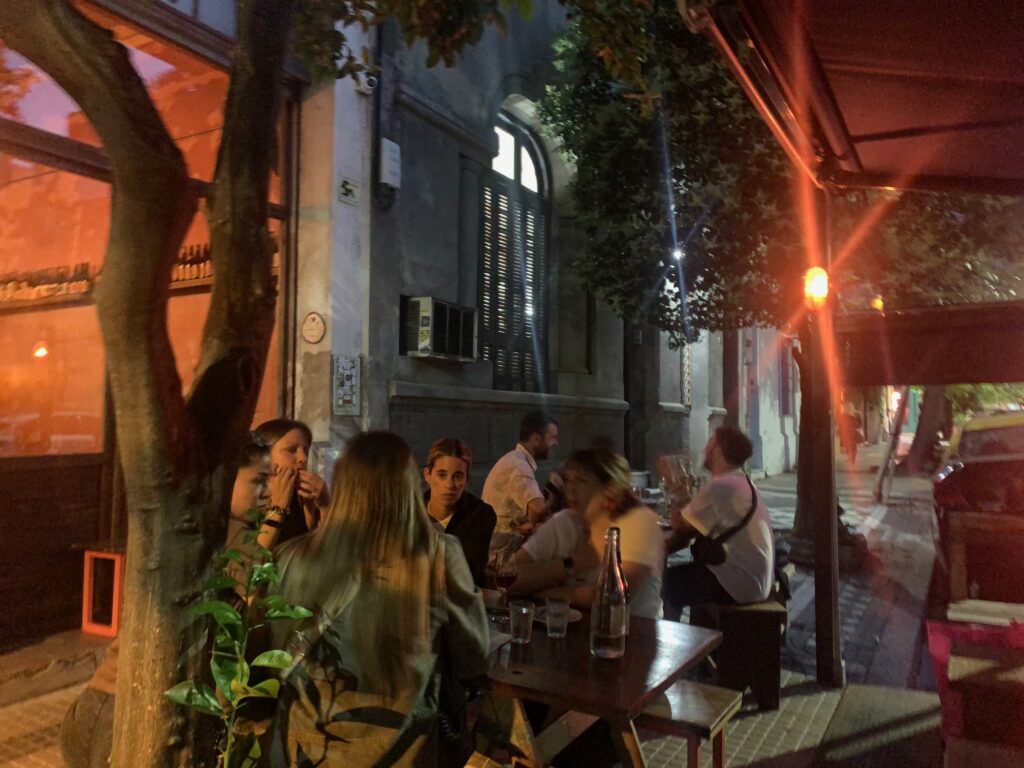
Anchoita Cava (Juan Ramírez de Velasco 1456, Chacarita)
Anchoita Cava is also in ‘Chacagiales’, just a couple of blocks from Naranjo. Its wide-ranging wine list is as long as my arm (literally), and this highly regarded wine bar offers what is possibly the best cheese and charcuterie selection in Buenos Aires, not to mention the eponymous anchovies of course. This wildly popular, buzzing spot (no reservations, expect a lineup) is a must-visit for any serious wine lover visiting Buenos Aires.
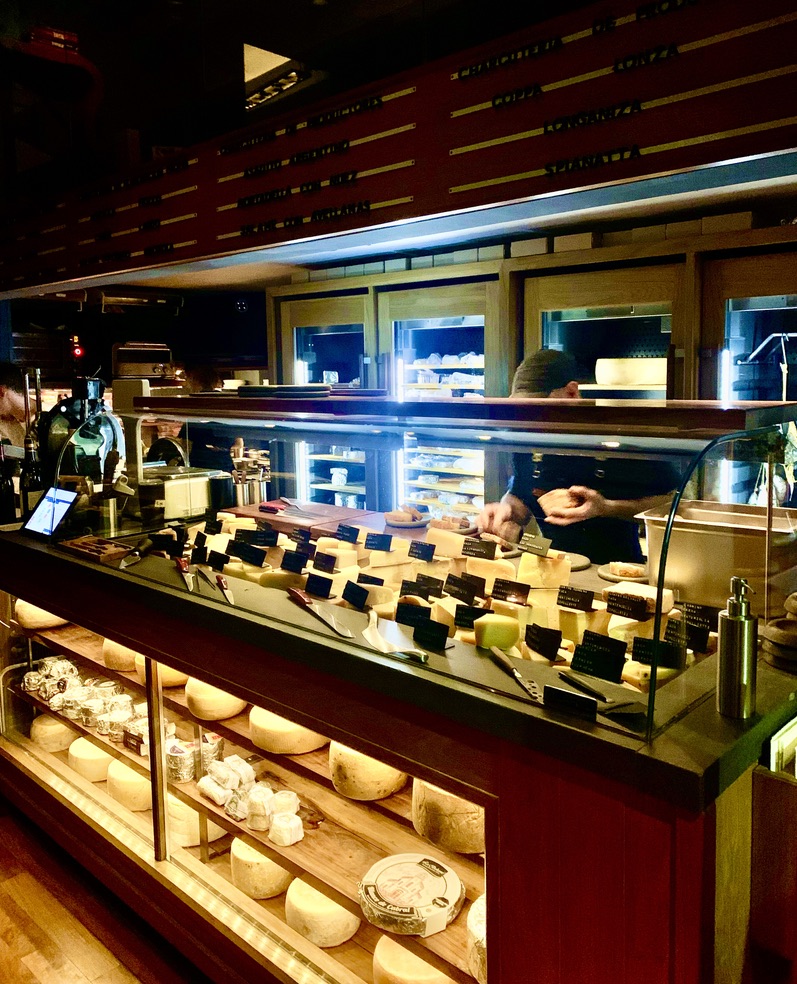
Most Buenos Aires wine shops offer evening wine tastings, often with winemakers in attendance. These venues usually advertise upcoming events on social media, especially Instagram, so check these out in advance as reservations are typically required, or drop by in person to sign up.
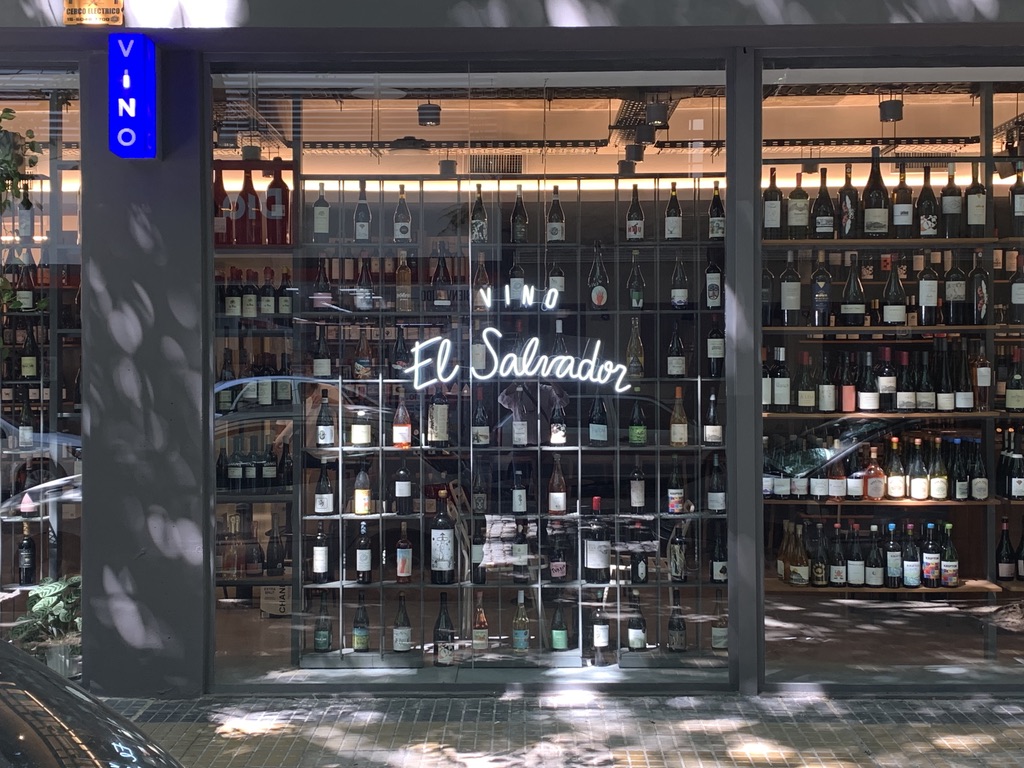
Vino El Salvador (Amenábar 34, Palermo Hollywood)
This Palermo Hollywood neighbourhood wine store has an excellent selection and great service. VES also offers one of the best wine-tasting lineups in the city. Owners Marili and Guile (mother and son) head up a friendly, knowledgeable, hip team. Sign up on Instagram for one of their excellent winemaker evenings. Highly recommended.
Malambo (Thames 2098, Palermo Soho)
My wine buddy Alejandro runs his boutique store in the heart of Palermo Soho, and is always on hand to advise the steady stream of travellers who visit his shop. He offers a carefully curated selection of Argentine wines including many exciting new producers, and speaks excellent English. Take his advice.
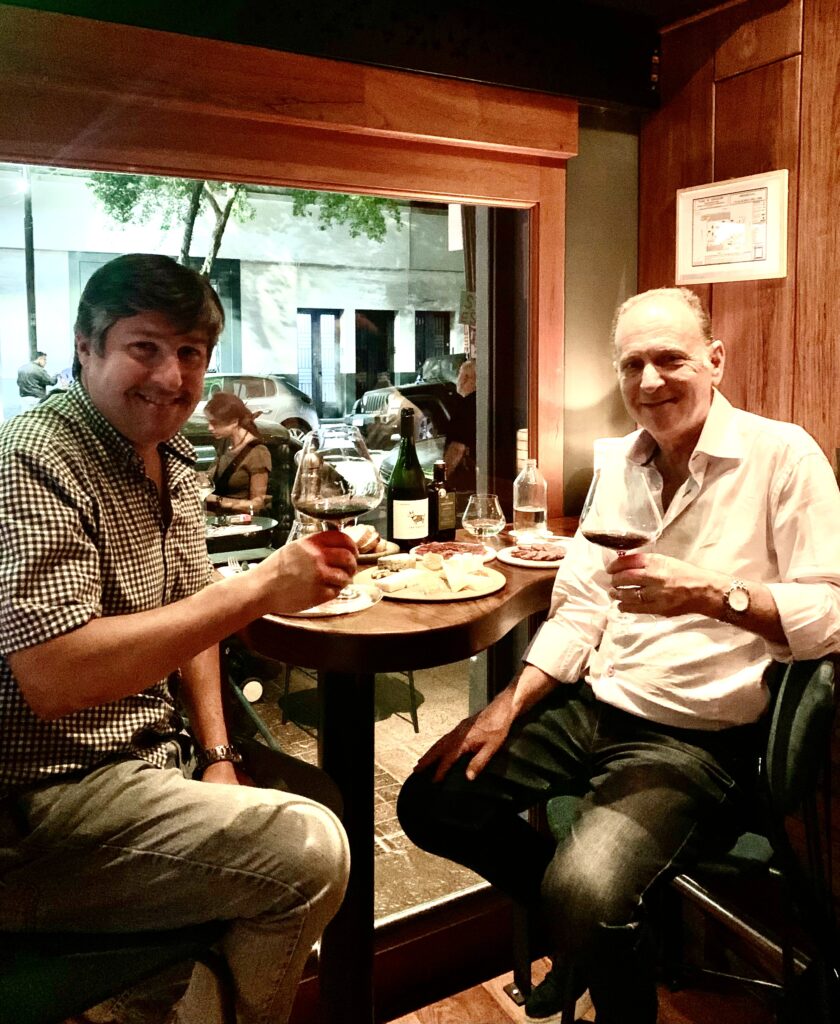
Spring Wine Merchants (address provided upon reservation)
My favourite wine club in Buenos Aires. The fluently bilingual owner and man about town Julio Humada offers outstanding tastings of both Argentina’s and the world’s best wines in an elegant, private venue in the upscale neighbourhood of Olleros. Julio is a knowledgeable, generous host and includes delicious tapas to accompany the curated vinous treasures that he pours, sometimes with winemakers in attendance. Reservations are essential: Visit @spring_wine_merchants on Instagram. Incontestably one of the highlights of the Buenos Aires wine scene.
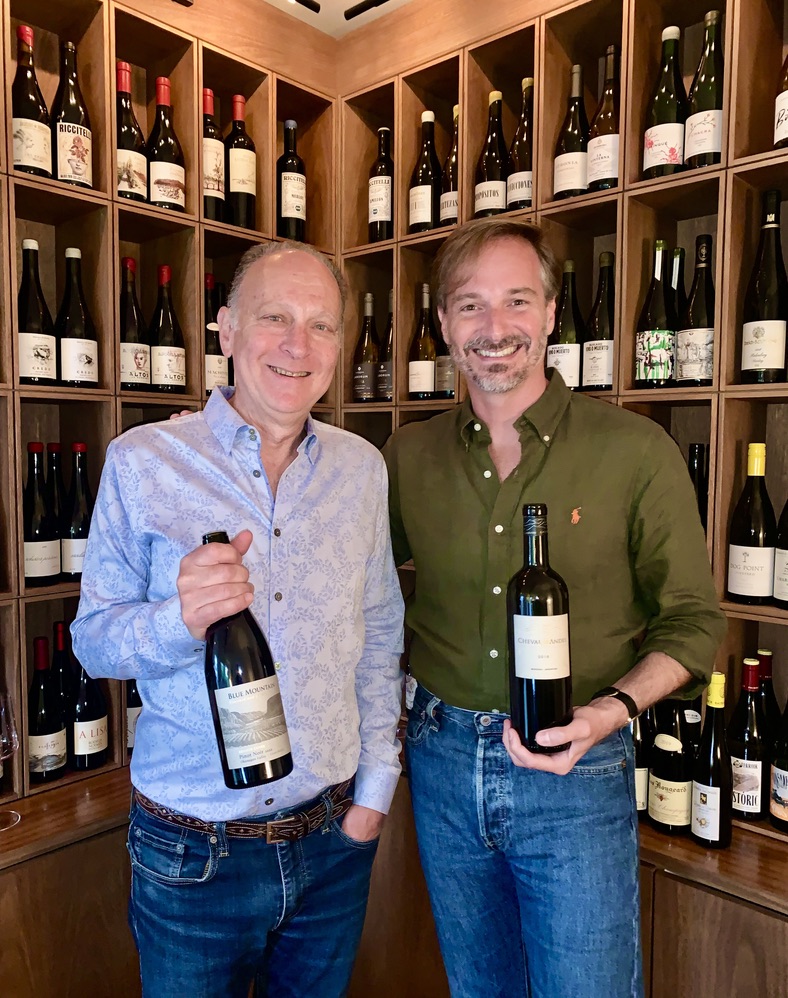
Le Bouchon (José Andrés Pacheco de Melo 2189, Recoleta)
If your tastes and wallet extend to the world’s most famous reference wines, then look no further than this high-end wine club, whose young owner Fernando offers exclusive tastings of iconic wines – both local and international – in seriously elegant surroundings.
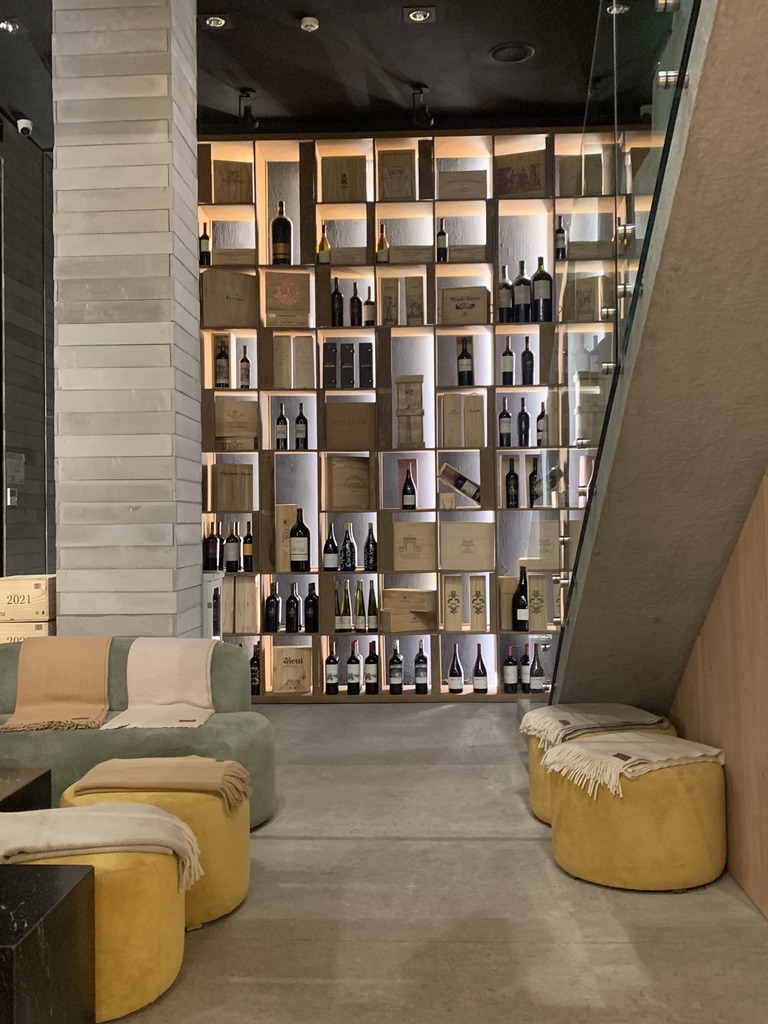
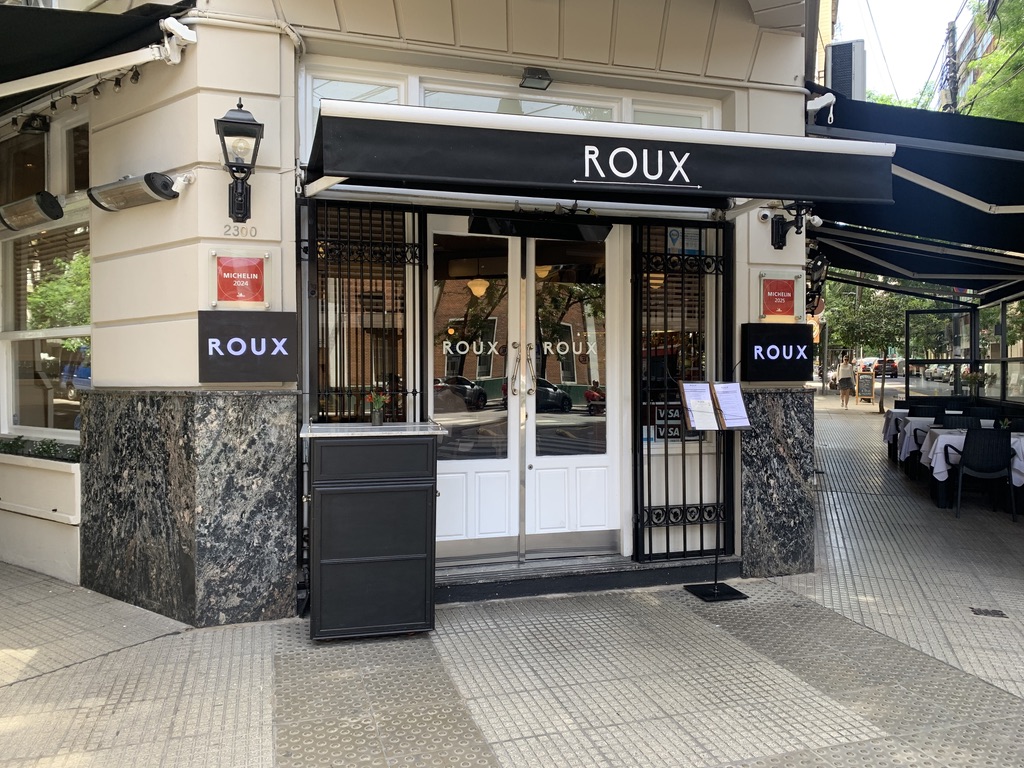
As it happens, Le Bouchon is just a block from one of my favourite white tablecloth restaurants in Buenos Aires, Martin Rebaudino’s outstanding Roux (Peña 2300, Recoleta). Chef Martin offers a serious, deep wine list, with supremely elegant food to match. He is one of the best chefs currently cooking in Buenos Aires. Don’t miss having a meal here, you won’t regret it. The Michelin folks agree apparently.
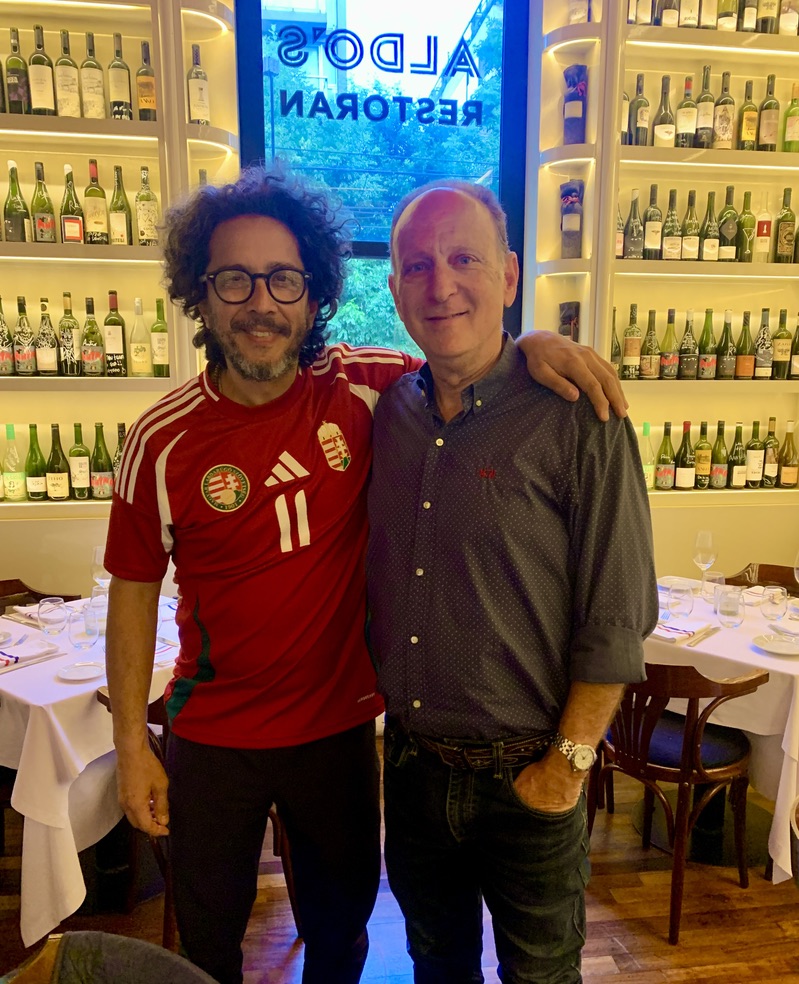
In addition to Roux, there are many other wine-forward restaurants in Buenos Aires. A few of my favourites include Aldo’s, Casa Cavia, Crizia, Don Julio, Oviedo and Ness, each of which offers a unique window into the wonderful world of Argentine wine. My advice: book a trip to Buenos Aires soon.